


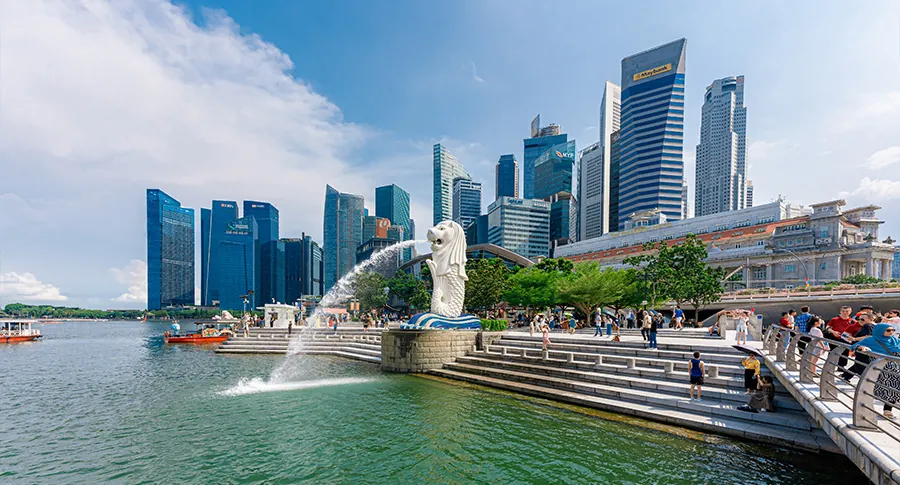
Singapore is widely recognised as an international business hub supported by a transparent regulatory framework and an extensive network of international tax agreements. These agreements play an important role in supporting cross-border trade and investment while helping businesses manage international tax obligations.

Singapore supports international business through a transparent framework and global tax agreements.
A key feature of Singapore’s international tax framework is its broad network of Double Taxation Agreements (DTAs) and related international arrangements. These agreements provide greater certainty for companies operating across multiple jurisdictions by establishing clear rules for the taxation of cross-border income.(Inland Revenue Authority of Singapore – International Tax Agreements)
For businesses expanding internationally, Singapore’s stable regulatory environment and strong network of international agreements continue to support its role as a regional and global business centre.
Singapore’s Extensive Network of International Tax Agreements
Singapore has concluded around 100 international tax agreements, including Double Taxation Agreements (DTAs), limited treaties, and exchange-of-information arrangements with jurisdictions around the world.
These agreements help clarify how cross-border income is treated between treaty partners and aim to avoid situations where the same income may be taxed in more than one jurisdiction.
Singapore’s tax treaty network also plays an important role in facilitating international investment by providing mechanisms to reduce certain withholding taxes on cross-border payments. Depending on the applicable treaty provisions, DTAs may allow reduced tax rates on:
- Dividend Withholding Tax
- Interest Withholding Tax
- Royalty Withholding Tax
These reductions help make cross-border transactions more efficient and predictable for companies operating internationally.

Singapore’s tax treaties help prevent double taxation and reduce withholding taxes
Key benefits of Singapore’s treaty network include:
- Providing Clear Rules For The Tax Treatment Of Cross-Border Income
- Reducing Uncertainty For Businesses Operating In Multiple Jurisdictions
- Supporting International Trade And Investment Activities
- Facilitating Reduced Withholding Tax Rates Under Applicable Tax Treaties
Singapore continues to expand and update its treaty network as part of its commitment to international tax cooperation and alignment with global tax standards.
(Inland Revenue Authority of Singapore – List of International Tax Agreements Concluded by Singapore)
Singapore’s Corporate Regulatory Framework
Singapore’s reputation as a trusted international business location is supported by a transparent corporate regulatory framework administered by the Accounting and Corporate Regulatory Authority (ACRA).
ACRA oversees company registration and corporate compliance obligations in Singapore. Companies incorporated in Singapore must comply with statutory requirements such as maintaining proper accounting records, preparing financial statements, and submitting annual filings in accordance with regulatory timelines.

Singapore’s business environment is supported by ACRA’s corporate regulatory framework
These obligations support:
- Transparency In Corporate Governance
- Reliability Of Corporate Reporting
- Confidence Among Investors And Business Partners
In addition to domestic regulatory oversight, Singapore also participates in international initiatives aimed at strengthening global tax transparency and cooperation. Singapore is a member of the OECD/G20 Base Erosion and Profit Shifting (BEPS) Inclusive Framework, which promotes internationally coordinated measures to address tax avoidance and improve cross-border tax governance.
Participation in the BEPS Inclusive Framework reflects Singapore’s commitment to aligning its regulatory and tax systems with evolving international standards while maintaining a stable and trusted business environment.
(Accounting and Corporate Regulatory Authority – Corporate Filing and Compliance Requirements; OECD – BEPS Inclusive Framework)
Strategic Location for International Business Operations
Singapore’s geographic position and advanced infrastructure make it an important gateway for businesses managing operations across Southeast Asia and the broader Asia-Pacific region.
Many multinational companies establish regional operations in Singapore due to:
- Access To Regional And Global Markets
- Efficient Corporate Administration Through Digital Government Services
- Well-Developed Professional Services Ecosystem
These factors contribute to Singapore’s continued attractiveness as a regional business centre.
(Enterprise Singapore – Singapore as a Global Business Hub)
Importance of Corporate Compliance for International Businesses
Companies operating in Singapore must ensure that their corporate structures and reporting processes comply with the regulatory requirements set out under Singapore law.
Businesses should ensure they:
- Maintain Accurate Accounting Records
- Submit Statutory Filings With ACRA On Time
- Ensure Corporate Information Remains Up To Date

Singapore companies must keep records, file on time, and update corporate information.
Maintaining strong governance practices helps businesses operate smoothly while remaining aligned with Singapore’s regulatory framework.
(ACRA Corporate Compliance Guidance)
Role of Professional Corporate Service Providers
International companies often work with professional corporate service providers to manage regulatory and compliance requirements in Singapore.
These providers commonly assist with:
- Company Formation And Corporate Structuring
- Annual Compliance And Statutory Filings
- Accounting And Financial Reporting Preparation
- Nominee Director And Corporate Governance Support
Such services help businesses maintain regulatory alignment while focusing on operational growth.
Conclusion
Singapore continues to maintain a well-established regulatory and business environment supported by an extensive network of international tax agreements and strong governance standards. Companies operating in Singapore benefit from a predictable legal framework and access to international markets.
By maintaining proper compliance practices and understanding the country’s regulatory structure, businesses can operate effectively while leveraging Singapore’s role as a global business hub.